- +91 77888 64446
- A 241,Upper Ground Floor, Supermart 1, DLF Phase 4, Gurugram, India

Dental Implants Explained: A Permanent Solution for Missing Teeth in India
Tooth loss is a growing concern in India, and its relevance today is stronger than ever. According to the National Oral Health Survey of India, nearly 60–70% of Indian adults suffer from gum disease, one of the leading causes of tooth loss. In addition, untreated dental caries remains highly prevalent across both urban and rural populations. Lifestyle factors such as tobacco chewing, smoking, high-sugar diets, diabetes, and delayed dental visits further increase the risk.
In India, oral health is often neglected until pain becomes severe. As a result, many patients lose teeth at a younger age compared to Western countries. Missing teeth are frequently seen in individuals in their 30s and 40s an age when career growth, social presence, and confidence matter deeply. Beyond aesthetics, tooth loss impacts chewing efficiency, nutrition, digestion, and even speech clarity. Over time, it can also cause facial sagging due to jawbone shrinkage.
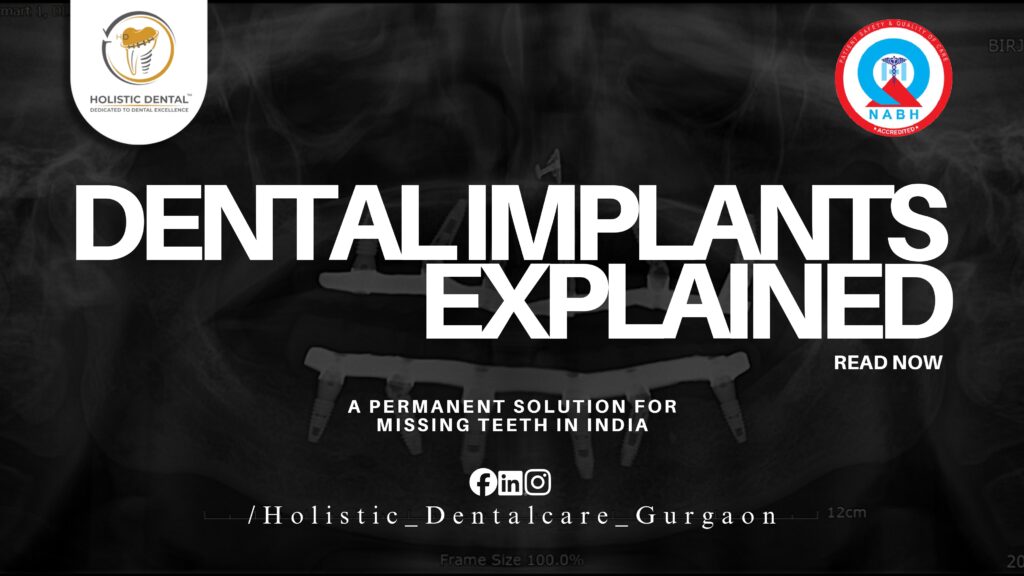
This is where dental implants have become highly relevant in the Indian context. Dental implants are titanium posts surgically placed into the jawbone to act as artificial tooth roots. Through a process called osseointegration, the implant fuses with the bone, creating a strong and stable foundation. Global and Indian clinical studies report success rates of 95–98%, making implants one of the most predictable and long-lasting dental solutions available today.
With proper care, dental implants can last decades, making them a long-term investment rather than a temporary fix. Compared to the recurring costs of denture adjustments or bridge replacements, implants often prove more economical over time.
As Dr. Anu Rathi shares, “Dental implants are not just about replacing a tooth; they are about restoring strength, function, and confidence in a way that feels completely natural. When placed with proper planning and care, they can truly transform a patient’s life.”
In India, many patients still opt for removable dentures or traditional bridges because of initial cost considerations. However, these options may not prevent bone loss. Research shows that after tooth extraction; significant bone resorption can occur within the first year if the area is left unsupported. Dental implants are currently the only tooth replacement option that stimulates the jawbone, helping maintain facial structure and preventing premature ageing.
The rising awareness of oral health, increasing disposable income, and improved access to advanced dental technology have led to a steady growth in implant treatments across Indian cities. With digital CBCT imaging, guided implant surgery, and minimally invasive techniques, the procedure has become safer, more precise, and more comfortable.
It is performed under local anaesthesia, and most patients resume routine activities quickly. For Indian patients, functionality matters. From enjoying crunchy namkeens to biting into hot rotis, sugarcane, or festive sweets, implants restore near-natural chewing strength. They do not slip or move like dentures, and they eliminate the need to grind adjacent healthy teeth as required in traditional bridges. India also has a rising diabetic population, and controlled diabetics can safely undergo implant procedures with proper planning. Modern protocols ensure predictable outcomes even in medically managed cases.
We combine advanced implant technology with a patient-first, holistic approach tailored to Indian lifestyles and dietary habits. Every case is carefully evaluated to deliver stable, long-lasting results, whether it is a single missing tooth or a full-mouth rehabilitation. In today’s India, choosing dental implants is choosing durability, bone preservation, better nutrition, and restored confidence. If you are considering a permanent solution for missing teeth, a consultation could be your first step toward a healthier, stronger smile.